Essential Maintenance Tips for Your Outdoor Dehumidifier to Extend Its Life
Understanding Your Outdoor Dehumidifier
How Outdoor Dehumidifiers Work
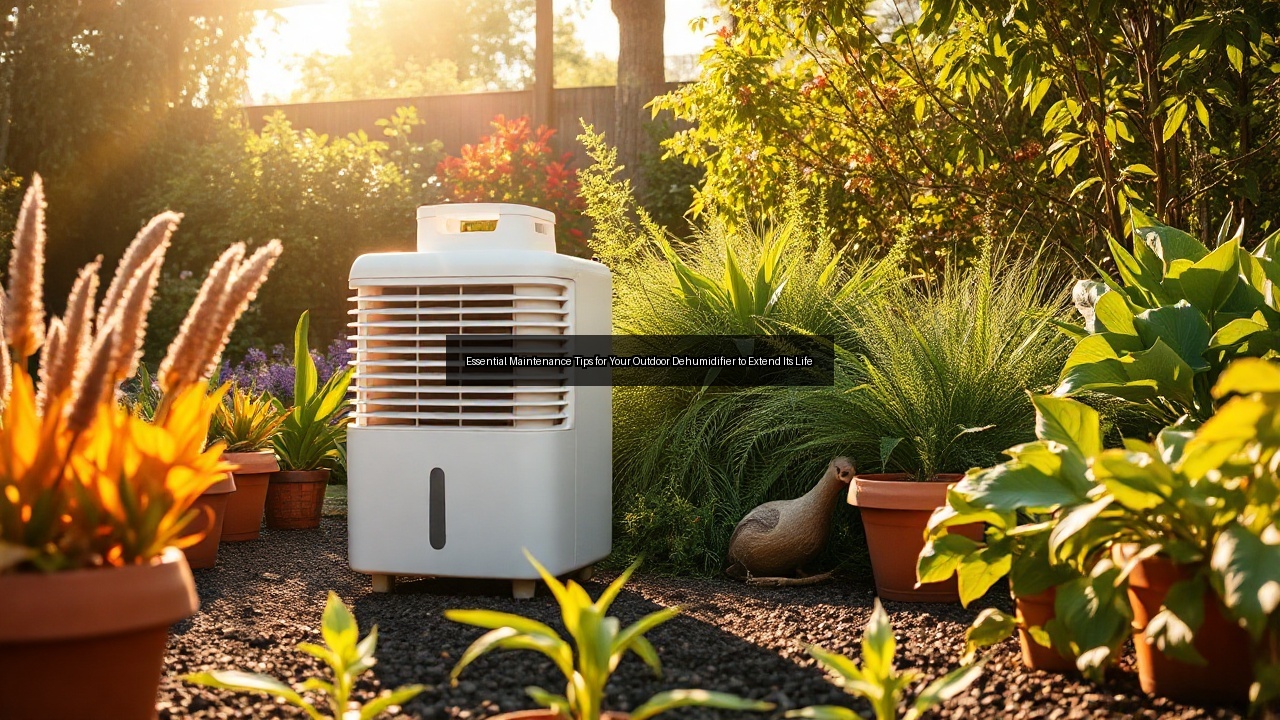
Outdoor dehumidifiers play a crucial role in maintaining optimal humidity levels in various settings, from residential backyards to commercial spaces. These units operate through a simple yet effective process of dehumidification. A fan draws in humid air, which then passes over cold coils. The temperature difference causes moisture in the air to condense into water droplets, collecting in the tank. The drier air is then expelled back into the environment. By removing excess moisture, outdoor dehumidifiers enhance comfort and prevent issues like mold growth, which thrives in damp conditions.
Importance of Humidity Control
Humidity control significantly impacts the comfort and health of indoor and outdoor spaces. High humidity levels can lead to a variety of problems, including mold, mildew, and structural damage. Maintaining optimal humidity not only improves the air quality but also helps protect furniture, electronics, and other belongings from moisture damage. An outdoor dehumidifier effectively combats these issues, making spaces more enjoyable, especially during humid summer months. Proper humidity management also reduces the workload on HVAC systems, leading to energy savings and prolonged equipment life.
Benefits of Energy Star Rated Models
Choosing an Energy Star-rated outdoor dehumidifier brings multiple advantages. These models meet strict energy efficiency guidelines set by the Environmental Protection Agency (EPA), ensuring they use less electricity while providing effective moisture removal. Energy-efficient air dehumidifier dehumidifiers consume significantly less energy than standard units, which can translate to lower utility bills. Additionally, they contribute to environmental conservation efforts by reducing overall energy demand. Investing in an Energy Star-rated outdoor dehumidifier not only enhances dehumidification performance but also promotes sustainable practices.
Regular Maintenance Practices
Cleaning the Tank and Filters
Regular cleaning of the tank and filters in your outdoor dehumidifier is essential for optimal performance. A dirty tank can lead to stagnant water, which may foster bacteria and mold growth. Empty and clean the tank frequently, especially during peak usage months. Use mild soap and water to scrub away any residue. Likewise, filters require periodic cleaning or replacement to ensure efficient airflow. Clogged filters hinder the dehumidification process and strain the compressor, potentially leading to costly repairs. Check your manufacturer’s guidelines for specific maintenance recommendations regarding the frequency of cleaning and the type of filters to use.
Checking the Compressor and Ducts
The compressor serves as the heart of your outdoor dehumidifier, and regular checks can prevent significant issues down the line. Inspect the compressor for any unusual noises or leaks, as these can indicate potential malfunctions. Ensure that the ducts are clear and free from obstructions, allowing for proper airflow. A blocked duct can lead to inefficient operation and increased energy consumption. Additionally, ensure that the dehumidifier unit is placed in a well-ventilated area to facilitate optimal performance. If you notice any irregularities, consider consulting a professional to ensure your dehumidifier operates effectively.
Inspecting Electrical Components
Electrical best outdoor dehumidifierdehumidification components are critical for the safe operation of your outdoor dehumidifier. Regular inspection of power cords, plugs, and switches helps identify wear and tear that could lead to electrical failures. Look for frayed wires or any signs of damage that may compromise safety. Ensure the electrical connections are secure and free from moisture, as damp conditions can cause short circuits. If you encounter persistent electrical issues, calling an electrician or a qualified technician is advisable. Protect your investment by prioritizing electrical safety, as malfunctioning components can lead to costly repairs and pose safety hazards.
Seasonal Care for Longevity
Preparing Your Dehumidifier for Winter
As winter approaches, preparing your outdoor dehumidifier ensures it remains in peak condition for the next humid season. Start by thoroughly cleaning the unit, removing any accumulated dirt or debris. Disconnect power and drain the tank completely to prevent freezing and cracking. Store the unit in a dry, sheltered location if you do not plan to use it during winter months. Cover the dehumidifier with a protective tarp or cover to shield it from moisture and debris. Following these steps will extend its lifespan, ensuring it operates efficiently when the humidity rises again.
Summer Usage Tips to Optimize Performance
During the summer, outdoor dehumidifiers work hard to combat high humidity levels. To optimize their performance, place the unit in an area with good airflow. Avoid placing it against walls or in corners that can trap heat and obstruct airflow. Set the humidity level to a comfortable range, typically between 30% and 50%. Regularly check and clean the filters to ensure efficient operation, as dirty filters can significantly reduce performance. Additionally, consider running the dehumidifier during cooler evenings when humidity levels tend to be higher, allowing it to work more efficiently in removing moisture.
Storing Your Dehumidifier Off-Season
Proper storage of your outdoor dehumidifier during the off-season is crucial for maintaining its functionality and extending its life. After cleaning and draining the unit, choose a cool, dry location for storage. Avoid damp basements or garages where moisture can accumulate. If possible, store the dehumidifier upright to prevent damage to internal components. Cover the unit to protect it from dust and debris. Before using it again, conduct a quick inspection, checking for any signs of wear or damage that may have occurred during storage. Taking these steps ensures your dehumidifier is ready for use when the humidity returns.
Troubleshooting Common Issues
Identifying Signs of Malfunction
Recognizing signs of malfunction early can save time and money in repairs. Common symptoms include unusual noises, reduced moisture removal, or constant cycling on and off. If your outdoor dehumidifier fails to maintain the set humidity level, check the tank for proper drainage and ensure the filters are clean. Additionally, inspect the compressor and ducts for blockages or damage. If you notice water pooling around the unit, this may indicate a leak that requires immediate attention. Addressing these issues promptly can prevent further damage and ensure efficient dehumidification.
When to Call for Professional Help
Some issues with outdoor dehumidifiers require professional intervention. If you encounter persistent electrical problems, such as frequent tripping of circuit breakers or unusual noises from the compressor, seek help from a qualified technician. Additionally, if your unit fails to remove moisture effectively despite regular maintenance, professional servicing may be necessary to diagnose the problem accurately. Attempting DIY repairs without adequate knowledge can lead to further damage or safety hazards. Trusting a professional ensures your dehumidifier is serviced correctly and safely.
Understanding Your Warranty and Service Options
Familiarizing yourself with your outdoor dehumidifier’s warranty and service options can significantly impact its longevity. Most manufacturers offer warranties that cover parts and labor for a specified period, typically ranging from one to five years. Review the warranty details to understand what is covered and the process for filing claims. Keeping records of maintenance and repairs can also assist in warranty claims. Additionally, inquire about available service plans or extended warranties that can provide peace of mind and protect your investment over the long term.