Innovative Features of Modern Industrial Dehumidifiers
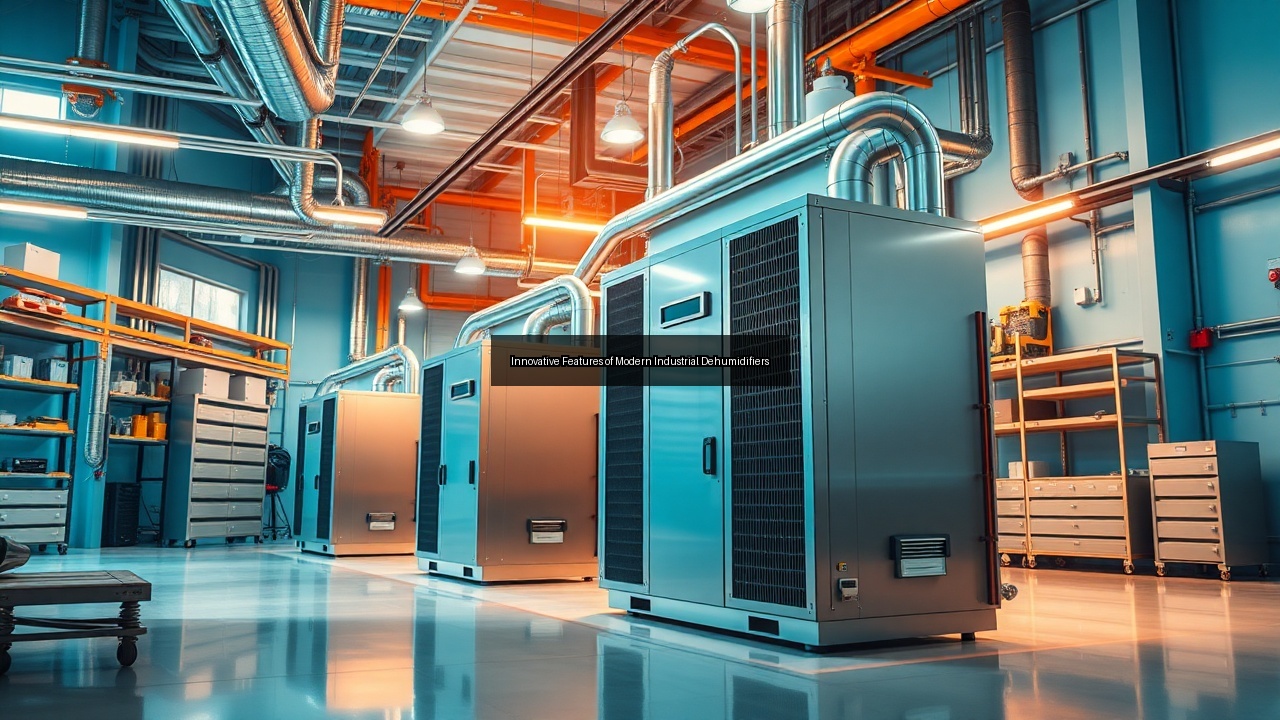
Understanding the Technology Behind Industrial Dehumidifiers
Principles of Dehumidification
Dehumidification plays a crucial role in maintaining optimal air quality and protecting materials across various industries. This process involves removing moisture from the air, thereby reducing humidity levels. High humidity can lead to mold growth, corrosion, and damage to sensitive equipment. Industrial dehumidifiers operate based on physical principles, primarily using condensation or adsorption methods. In condensation, air passes over cold coils, causing moisture to condense into water, which is then collected and drained away. Adsorption involves desiccants—materials that absorb moisture from the air. Understanding these principles helps industries choose the right type of dehumidifier for their specific needs.
Types of Industrial Dehumidifiers: Desiccant vs. Refrigerant
When selecting an industrial dehumidifier, businesses often face a critical choice between desiccant and refrigerant models. Refrigerant dehumidifiers excel in environments with high humidity levels. They efficiently cool air to remove moisture, making them ideal for warehouses, manufacturing plants, and other large spaces. On the other hand, desiccant dehumidifiers utilize materials that attract moisture, making them effective in lower humidity conditions and at cooler temperatures. Industries such as food packaging and electronics manufacturing frequently benefit from desiccant technology due to its ability to maintain low dew points. Understanding these differences allows businesses to optimize climate control effectively.
Role of HVAC in Climate Control
HVAC systems play an integral role in climate control, particularly in conjunction with industrial dehumidifiers. These systems regulate temperature, air quality, and humidity, creating a comfortable and safe atmosphere for both employees dehumidifier for industry and products. Dehumidifiers work in tandem with HVAC units to ensure consistent moisture levels, preventing potential damage caused by excessive humidity. By integrating dehumidification into HVAC systems, industries can enhance air moisture control and improve overall efficiency. Properly configured HVAC dehumidifier for industry systems and industrial dehumidifiers work together to create a balanced environment, promoting productivity and safeguarding valuable assets.
Innovative Features Enhancing Performance
Advanced Blower Designs and CFM Efficiency
Modern industrial dehumidifiers feature advanced blower designs that significantly enhance CFM (cubic feet per minute) efficiency. Efficient blowers optimize airflow, ensuring that dehumidifiers can process large volumes of air quickly and effectively. This efficiency translates to faster moisture removal and improved overall performance. Manufacturers invest in innovative designs that reduce noise levels while maximizing airflow, which is vital in industrial settings where noise pollution can be detrimental to worker productivity. Enhanced blower technology not only improves dehumidification rates but also contributes to energy savings, making these units more sustainable and cost-effective over time.
Smart Controls and Automation
Smart controls and automation are revolutionizing the way industrial dehumidifiers operate. Modern units often come equipped with digital interfaces that allow for precise humidity control and monitoring. Users can set specific humidity levels, and the system automatically adjusts its operation to maintain these settings. This level of automation ensures optimal performance, reducing energy consumption and extending the lifespan of the dehumidifier. Additionally, many devices now feature programmable timers and remote access capabilities, enabling operators to manage dehumidification processes from anywhere. These smart features not only enhance user convenience but also improve overall climate control in industrial environments.
Integration with IoT for Real-time Monitoring
The integration of Internet of Things (IoT) technology into industrial dehumidifiers enables real-time monitoring and control. Sensors embedded in these units continuously track humidity levels, temperature, and operational efficiency. This data can be accessed remotely, allowing operators to make informed decisions quickly. IoT integration also facilitates predictive maintenance, alerting users to potential issues before they escalate. By leveraging real-time data, businesses can optimize their dehumidification processes, ensuring that air moisture levels remain within acceptable ranges. This innovation not only enhances performance but also contributes to overall operational efficiency and sustainability in industrial settings.
Applications Across Various Industries
Dehumidifiers in Food Packaging
Industrial dehumidifiers find a vital role in the food packaging sector, where controlling moisture is essential for product preservation. Excess humidity can lead to spoilage, mold growth, and decreased shelf life. By maintaining optimal humidity levels, dehumidifiers help extend the freshness of packaged goods, ensuring quality and safety for consumers. Moreover, regulatory standards in the food industry necessitate accurate moisture control to prevent contamination. Dehumidifiers designed for food packaging environments are engineered to operate efficiently while complying with strict industry regulations, making them indispensable for manufacturers looking to maintain product integrity and customer satisfaction.
Electronics Manufacturing and Moisture Control
In electronics manufacturing, moisture control is crucial to prevent corrosion and damage to sensitive components. Industrial dehumidifiers play a significant role in maintaining low humidity levels, protecting products throughout the manufacturing process. High humidity can compromise circuit boards and other electronic components, leading to costly defects and returns. Implementing high-quality dehumidifiers ensures that moisture does not interfere with production. Manufacturers benefit from investing in specialized dehumidifiers designed for electronics, as these units effectively create a controlled environment that minimizes risks and maintains product integrity.
Pharmaceutical Industry Standards
The pharmaceutical industry demands stringent moisture control to ensure product quality and compliance with regulatory standards. Humidity can affect the stability and efficacy of medications, making industrial dehumidifiers essential in pharmaceutical manufacturing and storage facilities. These dehumidifiers are designed to maintain precise humidity levels, preventing degradation of active ingredients. Moreover, regulatory bodies often require documentation and monitoring of environmental conditions within pharmaceutical facilities. Advanced industrial dehumidifiers equipped with IoT technology can provide real-time data for compliance purposes, making them invaluable tools for pharmaceutical companies striving to meet stringent industry standards.
Troubleshooting and Maintenance of Industrial Dehumidifiers
Common Issues and Solutions
Industrial dehumidifiers, like any mechanical equipment, can experience issues that affect their performance. Common problems include insufficient moisture removal, abnormal noises, or leaks. Insufficient moisture removal may stem from clogged filters or improper settings. Regularly checking and replacing filters can resolve this issue. Abnormal noises often indicate mechanical wear, requiring inspection and possible repairs. Leaks may arise from damaged hoses or connections, necessitating immediate attention to prevent water damage. By understanding these common issues and their solutions, operators can effectively troubleshoot problems and maintain optimal performance of industrial dehumidifiers.
Best Practices for Maintenance
Regular maintenance of industrial dehumidifiers ensures optimal performance and longevity. Best practices include routine inspections, cleaning filters, and checking for leaks. Operators should schedule maintenance at least once every six months, adjusting based on usage and environmental conditions. Keeping the unit clean and free from dust or debris enhances airflow and efficiency. Additionally, monitoring humidity levels and adjusting settings as needed helps maintain desired performance. Establishing a proactive maintenance routine can prevent costly repairs and ensure that dehumidifiers continue to operate effectively in demanding industrial environments.
Optimizing Performance for Different Dew Points
Optimizing the performance of industrial dehumidifiers involves understanding and adjusting for different dew points. Dew point refers to the temperature at which air becomes saturated with moisture, leading to condensation. High dew points require more aggressive dehumidification strategies. Operators can optimize performance by setting appropriate humidity targets based on the specific requirements of their industry. For example, industries that require strict moisture control, such as electronics or pharmaceuticals, may need to operate dehumidifiers at lower dew points. Proper calibration and monitoring ensure that dehumidifiers perform effectively, adapting to changing environmental conditions and maintaining optimal air quality.
See Also
- Why Air Moisture Control is Critical in Industrial Settings
- Troubleshooting Common Issues with Industrial Dehumidifiers for Smooth Operations
- Preventing Mold Growth in Warehouses with Industrial Dehumidifiers
- Addressing Humidity Challenges in Manufacturing with Dehumidifiers
- Maximizing Efficiency with Industrial Dehumidifiers for Climate Control