The Importance of Blower Housing in HVAC Energy Efficiency
Understanding HVAC Blower Housing
The Role of Blower Fans in HVAC Systems
Blower fans serve as the heart of HVAC systems, playing a crucial role in circulating air throughout a building. These fans move air across the heating or cooling coils, ensuring that the temperature remains consistent in every room. When the blower fan operates efficiently, it helps maintain optimal comfort levels, reducing energy consumption and costs. An efficient blower fan can significantly influence the overall performance of the HVAC system, leading to enhanced energy efficiency, which is vital in today’s eco-conscious environment.
Components of Blower Housing Assembly
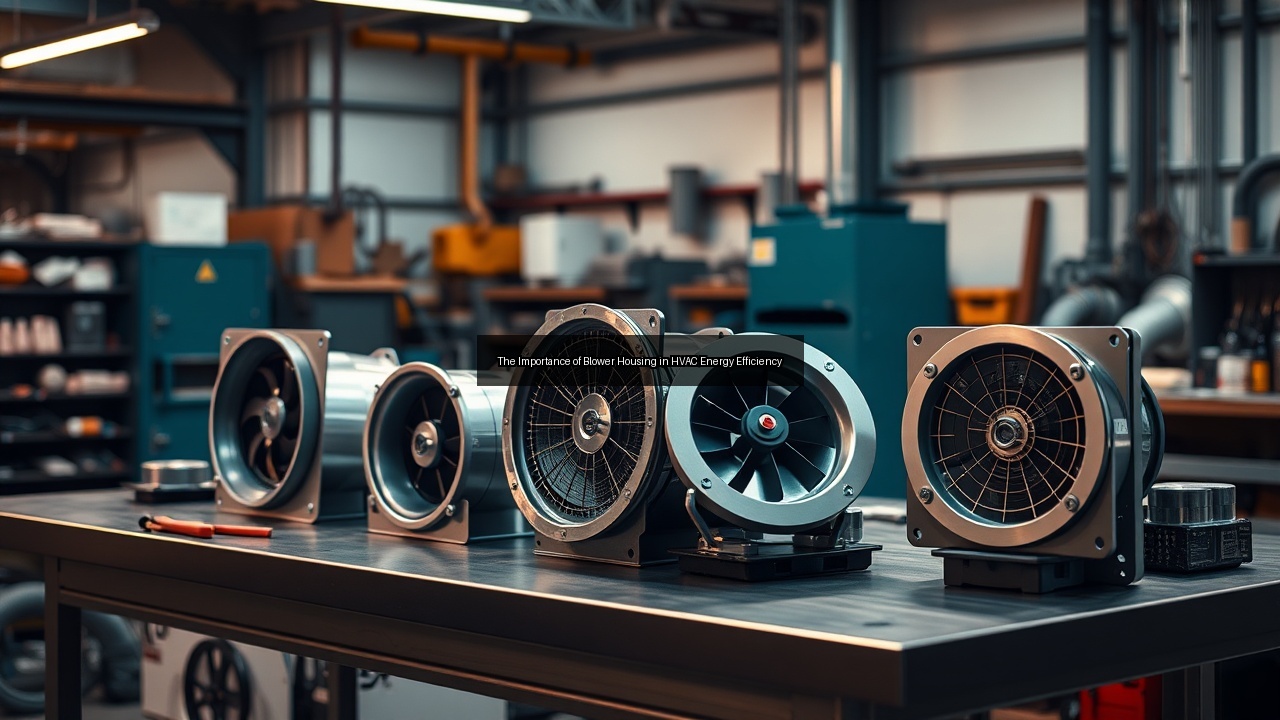
Every HVAC blower housing assembly consists of several key components that contribute to its functionality. The housing itself is designed to encase the blower fan, providing structural integrity and facilitating optimal airflow. Inside, you typically find the blower wheel, which is essential for moving air. The design also includes a motor that powers the blower and may feature an air filter to trap dust and debris. This assembly must be carefully engineered to minimize resistance and maximize airflow, making the blower housing a critical element in achieving energy efficiency in HVAC systems.
How Blower Motors Affect Efficiency
Blower motors are vital for the performance of HVAC systems. They drive the blower fans, and the type of motor used can greatly affect overall energy efficiency. High-efficiency motors consume less energy, leading to lower utility bills and reduced carbon footprints. Additionally, the size and power of the motor impact how well the HVAC system operates. Oversized motors can lead to inefficiencies and increased wear, while undersized motors may struggle to meet airflow demands. Thus, selecting the right blower motor is essential for optimizing HVAC performance and energy consumption.
Energy Efficiency and Performance
Impact of Blower Housing on HVAC System Performance
The blower housing directly influences the performance of HVAC systems. A well-designed blower housing minimizes airflow resistance, allowing air to circulate freely and efficiently. Poorly designed or damaged blower housings can lead to leaks or blockages, which compromise the system’s ability to heat or cool effectively. This inefficiency often results in higher energy consumption, as the system works harder to achieve the desired temperature. Therefore, maintaining the integrity of the blower housing is essential for ensuring the HVAC system operates at peak efficiency.
The Importance of Air Filters in Blower Housing
Air filters play a significant role in the efficiency of the blower housing. They prevent dust, pollen, and other particles from entering the HVAC system, which could otherwise damage critical components like blower fans and motors. Clogged or dirty air filters restrict airflow, forcing the blower to work harder, which increases energy usage. Regularly replacing or cleaning air filters maintains optimal airflow and prolongs the life of the HVAC system. In essence, air filters are not just add-ons; they are integral to preserving the efficiency and performance of HVAC systems.
Choosing the Right Blower for Your Furnace or Air Conditioner
Selecting the appropriate blower for your furnace or air conditioner impacts energy efficiency and system performance. An ideal blower should match the specifications of your HVAC system, including the necessary airflow rate and static pressure requirements. Oversized blowers may create excessive noise and energy waste, while undersized blowers can struggle to maintain desired temperatures. Consideration of the blower housing design is also crucial. Opting for a blower that integrates well with the existing housing can enhance efficiency and prolong the lifespan of your HVAC system, ultimately leading to significant cost savings.
Maintenance and Longevity
Common Issues with Blower Housings
Blower housings can encounter several common issues that affect HVAC performance. These include wear and tear from age, corrosion due to moisture, and physical damage from impacts or vibrations. Additionally, poor installation can lead to misalignment or improper sealing, resulting in air leaks that diminish efficiency. Regular inspections can help identify these issues before they escalate, ensuring that the blower housing and its components remain in good condition. Addressing problems early can prevent costly repairs and extend the lifespan of your HVAC system.
The Role of Ball Bearings in Durability
Ball bearings are essential for the durability and smooth operation of blower motors within the blower housing. They reduce friction between moving parts, allowing the blower fan to operate efficiently and quietly. High-quality ball bearings can withstand significant wear and provide longevity to the blower motor. When these components fail, they can lead to increased vibration, noise, and eventual motor burnout. Regular maintenance, including lubrication and inspection of ball bearings, can enhance the durability of HVAC systems, ensuring they function optimally for years.
Warranty Considerations for HVAC Blower Components
Warranties on HVAC blower components, including blower housing and motors, provide peace of mind and financial protection against defects and failures. When purchasing HVAC systems or components, understanding the warranty terms is vital. Look for comprehensive coverage that includes parts and labor to protect your investment. Additionally, consider the reputation of brands and manufacturers, as well as customer feedback, to gauge reliability. A robust warranty can signal confidence in the product's durability and performance, further enhancing the decision-making process when selecting HVAC blower components.
Feedback and Innovations in HVAC Technology
Customer Feedback on Blower Fans and Housings
Customer feedback plays a crucial role in shaping the development of blower fans and housings in HVAC technology. Reviews often highlight aspects such as noise levels, energy efficiency, and overall performance. Positive feedback can lead manufacturers to invest in similar designs, while negative reviews often prompt re-evaluation and innovation. Companies that listen to their customers and adapt based on feedback tend to create more efficient, user-friendly products. As HVAC technology evolves, staying attuned to customer experiences can drive improvements in blower housing designs and functionalities.
Emerging Trends in OEM Blower Designs
OEM (Original Equipment Manufacturer) designs for blower housings are evolving to meet the demands for greater energy efficiency and quieter operation. Manufacturers focus on creating streamlined designs that enhance airflow and reduce energy consumption. Innovations such as variable-speed motors and smart controls are becoming more common, allowing HVAC systems to adapt to real-time conditions. These trends not only improve performance but also align with sustainability goals. As the industry embraces eco-friendly technologies, the evolution of OEM blower designs will play a pivotal role in the future of HVAC systems.
Brand Comparisons for HVAC Blower Motors
Choosing the right brand for HVAC blower motors can significantly impact system efficiency and longevity. Various brands offer different features, warranty terms, and prices. Brand reputation often correlates with reliability and performance. Customers should consider factors such as energy efficiency ratings, noise levels, and user reviews when comparing brands. Leading brands typically provide better customer support and warranty options, adding value to their products. Conducting thorough research and comparing different brands ensures that consumers make informed decisions, maximizing their investment in HVAC blower technology.
See Also
- Exploring Warranty Options for HVAC Blower Housing Products
- The Role of Ball Bearings in Enhancing Blower Housing Efficiency
- The Science Behind Blower Housing Design and Airflow Dynamics
- Maximizing Your HVAC Performance with Quality Blower Fans and Housings
- How to Choose the Right Blower Housing for Your HVAC System